Communal Area Cleaning in W8: Reliable, Local Care for Shared Buildings
Shared buildings need more than an occasional tidy-up. They need a consistent, thoughtful cleaning service that keeps entrances, stairwells, lift areas, landings, and shared facilities presentable, hygienic, and safe for everyone who lives or works there. Communal area Cleaning in W8 is especially important because properties in this part of West London often combine high footfall, varied building layouts, and a mix of residential and commercial use. From mansion blocks and converted houses to modern apartment developments and mixed-use premises near Kensington High Street, a well-run communal cleaning plan helps protect the appearance and comfort of the entire building.
If you manage a block, own a leasehold flat, sit on a residents’ committee, or handle facilities for a commercial property, you already know how quickly shared spaces can become untidy. Dust gathers on skirting boards, fingerprints build up on glass doors, litter appears by the entrance, and stair rails can start to look dull far too soon. A dependable local cleaning team helps keep on top of those issues before they become a problem. The aim is simple: maintain a clean, welcoming environment that reflects well on the property and makes day-to-day life easier for everyone who uses it.
Local customers in W8 often look for a service that is practical, flexible, and respectful of residents, tenants, visitors, and building schedules. That means more than just cleaning visible surfaces. It means understanding access arrangements, avoiding disruption in quiet residential streets, working around concierge desks or building management procedures, and paying attention to the small details that shape first impressions. Whether your building is close to Kensington Gardens, Holland Park, Earl’s Court, or the busy stretches around High Street Kensington, communal cleaning should fit the property, not the other way around.
Why Communal Cleaning Matters in W8

W8 includes some of London’s most recognisable residential and mixed-use areas, and properties here often have unique cleaning requirements. Many buildings are home to a blend of long-term residents, short-let occupants, office tenants, and visitors. That mix can create heavy use in shared spaces, especially at entrances, lifts, bin stores, and staircases. Regular cleaning helps keep those spaces comfortable, hygienic, and presentable throughout the week.
Communal spaces are often the first thing people see when they enter a building. If the foyer is spotless, handrails are clean, and floors are well maintained, the whole property feels better managed. On the other hand, if debris builds up or surfaces look neglected, it can affect both the atmosphere and the perceived standard of the building. For landlords, managing agents, freeholders, and residents’ associations, investing in consistent communal area cleaning is a practical way to protect property value and tenant satisfaction.
In an area like W8, buildings can range from elegant period conversions to modern developments with concierge access, private lifts, and underground parking. Each type of property brings different cleaning needs. Older properties may have ornate bannisters, decorative tile, and narrow staircases that require careful attention. Newer blocks may have glass, polished metal, and larger common areas that need streak-free finishing. A local team that understands these differences can clean efficiently without damaging finishes or disrupting residents.
What Our Communal Area Cleaning in W8 Can Include

Every building is different, so communal cleaning should be tailored to the site rather than delivered as a one-size-fits-all routine. A good service usually covers the most heavily used shared areas and can be adjusted to suit the building’s size, occupancy, and layout. The exact specification may vary, but common tasks often include:
- Lobby and entrance cleaning
- Stairwell vacuuming or sweeping
- Hard floor mopping and spot cleaning
- Lift interior wiping and sanitising
- Handrail, bannister, and banister polishing
- Door glass, frames, and push plate cleaning
- Skirting board dusting and cobweb removal
- Mail area and corridor cleaning
- Bin store and refuse area tidying
- Shared amenity room cleaning, where applicable
- Internal window and glass panel cleaning
- Light switch, handle, and touchpoint cleaning
For some properties, the service may also include the regular upkeep of basement areas, cycle stores, and service corridors. In residential buildings, that can make a real difference to how clean the whole property feels. In office or mixed-use buildings, shared kitchens, reception areas, and entrance corridors may need extra attention to reflect a professional standard.
It is also useful to think about the difference between basic tidying and proper communal cleaning. A superficial wipe-down can make a space look acceptable for a moment, but a structured cleaning routine will help prevent dust buildup, lingering marks, bad odours, and general wear. That is why many local customers prefer a service that is consistent rather than occasional.
Why Local Knowledge Matters in W8

Working in W8 requires more than cleaning skill. A local team needs to know how to operate around busy residential streets, controlled access systems, one-way roads, and limited parking. In many parts of Kensington, stopping nearby can be challenging, and access windows may be tight. Buildings may also have specific entry procedures, fob systems, or concierge instructions that must be followed carefully. A team that regularly works in the area is more likely to arrive prepared and work efficiently within those constraints.
Local knowledge also matters because W8 properties can sit within conservation-sensitive surroundings or premium residential developments where presentation is especially important. If a communal area is not cleaned properly, even a small amount of dust or debris can stand out. A local service that understands the expectations of W8 residents and property managers will usually be more attentive to finishing touches, discreet working practices, and regular communication with the right building contact.
There is another practical benefit: response times. When a communal area needs an extra visit after building works, a spill, adverse weather, or a busy weekend, a local cleaning provider can often schedule support more easily than a distant one. That flexibility can be valuable for managing agents and resident groups who need a service that can adapt when conditions change.
Property Types We Commonly Serve
One of the strengths of communal area cleaning in W8 is its versatility. The area includes a broad mix of buildings, each with its own character and cleaning demands. A tailored service can be shaped around the property type and the people who use it.
Residential blocks and mansion flats
Many W8 addresses are home to apartment blocks, mansion flats, and converted townhouses. These properties often need regular cleaning of corridors, staircases, front doors, and lift areas. Period details, older flooring, and narrower access routes may require a careful approach. A well-planned cleaning schedule helps preserve the building’s appearance while keeping shared spaces pleasant for residents and visitors.
Managed rental properties and leasehold developments
Leasehold and managed blocks need reliable cleaning because standards can affect resident satisfaction and the overall reputation of the building. In these settings, managers often prefer a clear specification, regular visits, and an easy-to-understand scope of work. That helps ensure the communal areas are kept to a consistent level, whether the property is busy throughout the week or has quieter periods.
Mixed-use premises
Some W8 buildings combine residential apartments with offices, retail units, or professional spaces. These premises may need cleaning that works around different hours of use, separate entrances, and varied expectations. A shared reception or entrance may need frequent touchpoint cleaning, while other areas require less frequent but more detailed maintenance. The right plan can keep the building looking tidy without disrupting business activity or residents.
Commercial shared spaces
For commercial customers, communal space may refer to reception areas, corridors, washrooms, internal access routes, staff rooms, and shared foyers. Presentation matters because these spaces shape how clients, staff, and visitors experience the building. A clean communal environment supports professionalism and can help create a more comfortable workplace.
How the Service Works

When customers enquire about communal area cleaning in W8, they usually want a service that is straightforward and reliable. The process should be easy to understand from the outset and flexible enough to match the building’s needs. A typical service process may look like this:
- Initial discussion – The building type, access arrangements, and cleaning priorities are discussed so the service can be shaped around the property.
- Site understanding – The layout, shared facilities, and frequency of use are considered to decide what should be cleaned and how often.
- Cleaning specification – A clear list of tasks is agreed, covering regular duties and any optional extras such as internal windows or bin store cleaning.
- Scheduled visits – Cleaning is carried out at times that suit the building and minimise disruption to residents, tenants, or visitors.
- Ongoing upkeep – The service is reviewed periodically so it stays aligned with the building’s changing needs.
This approach helps property managers and residents know exactly what to expect. It also means the service can be adjusted if occupancy changes, if the building undergoes refurbishment, or if seasonal conditions lead to more dirt being brought in from outside.
For some customers, the priority is a weekly clean. For others, particularly larger or busier buildings, multiple visits per week may be more suitable. The right frequency depends on footfall, property type, and how quickly areas become dirty. What matters most is consistency and attention to detail.
What Makes a Good Communal Cleaning Service?
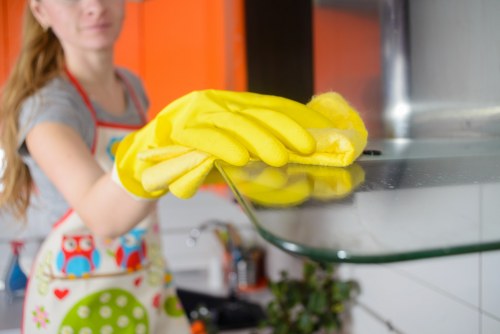
When choosing a provider for communal area cleaning, local customers usually want more than just a list of tasks. They want to know the service will be dependable, careful, and suited to the building. A strong service usually includes several important qualities:
- Consistency – Cleaners arrive as scheduled and work to a reliable standard every time.
- Attention to detail – Corners, edges, touchpoints, and high-traffic areas are not overlooked.
- Respect for residents and tenants – Work is carried out discreetly and with consideration for people living or working in the building.
- Flexible scheduling – The service can adapt to access rules, concierge hours, and property usage patterns.
- Clear scope of work – The tasks are agreed in advance so everyone understands what is included.
- Local familiarity – Knowledge of W8 buildings and access challenges can make the service smoother and more efficient.
Many customers also value a team that understands the difference between cosmetic tidying and proper maintenance. A shared hallway may need more than a quick sweep; it may need dust removal from skirting boards, marks cleaned from walls or doors, and the floor left free of streaks. The best results come from a cleaning routine that balances speed with thoroughness.
For many buildings, it is this combination of reliability, discretion, and practical know-how that makes the biggest difference. A cleaning service should make life easier for the people responsible for the property, while also improving the experience for the people who use it every day.
Benefits for Residents, Landlords, and Building Managers
There are clear reasons why communal area cleaning in W8 is treated as an essential building service rather than a cosmetic extra. The benefits are practical and immediate.
For residents
Clean shared areas make a building feel calmer, more pleasant, and better cared for. Residents are less likely to be bothered by dust, litter, bad smells, or unpleasant touchpoints. The entrance feels more welcoming, and the whole building creates a better impression for guests and delivery drivers.
For landlords and managing agents
Regular cleaning can help protect the appearance of the property and reduce the number of complaints about neglected shared spaces. It also supports a more professional standard of management. When communal areas are kept clean, issues are easier to spot early, including leaks, staining, broken fixtures, or signs of wear that might otherwise go unnoticed.
For commercial occupiers
In offices or mixed-use buildings, clean shared areas contribute to a better working environment. Staff and visitors notice the condition of reception areas, corridors, and washrooms. Keeping those spaces clean supports comfort, hygiene, and a professional atmosphere that reflects well on the business.
Preparation Checklist for a Smooth Start
If you are arranging communal cleaning for a building in W8, a little preparation can help the service get off to a strong start. You do not need to do everything yourself, but it helps to have the main details ready.
- Confirm the building entrance and any access instructions
- Identify who will be the main point of contact
- List the areas that should be cleaned regularly
- Note any sensitive surfaces or special finishes
- Explain when cleaning can take place without causing disruption
- Share any known issues, such as recurring litter, damp areas, or heavily used entry points
- Decide whether bin stores, internal windows, or additional shared rooms should be included
This preparation helps the cleaning team work efficiently from day one. It also reduces the chance of misunderstandings about access or the scope of work. A clear start usually leads to a better long-term result.
If your building has unusual access, concierge rules, or shared use patterns, it is worth mentioning those early. That way the cleaning plan can be tailored properly rather than adjusted later.
Pricing Factors: What Can Affect the Cost?
Local customers often ask what affects the cost of communal area cleaning in W8. While it is not helpful to quote fixed prices without seeing the property, there are several common factors that influence the level of work required.
Building size and layout
A larger block or a property with multiple staircases, lifts, landings, and corridors will usually take longer to clean than a small building with one entrance. Complex layouts, split levels, and basement access can also affect the amount of time needed.
Cleaning frequency
Some buildings need cleaning once a week, while others need more regular attention because of high footfall or shared facilities. More frequent visits generally mean more ongoing labour, but they can also help keep the building in better condition between cleans.
Level of footfall
Busy entrances, office shared spaces, and buildings with many residents or visitors tend to need a more intensive service. Properties near transport links, retail areas, or busy local amenities may pick up dirt more quickly.
Scope of tasks
The more areas included in the service, the more time and attention the cleaning requires. If the contract includes bin stores, internal glazing, cycle storage, or additional touchpoint cleaning, that will affect the overall specification.
Access and timing
Buildings with restricted access, concierge arrangements, or limited parking may require more careful planning. In W8, where parking and loading can be challenging, efficient scheduling and local familiarity can make a real difference.
For the best value, many customers prefer to agree a clear specification based on the actual needs of the building. That helps avoid paying for unnecessary work while making sure the essential areas are properly maintained.
Areas Covered Around W8
Communal area cleaning is available across W8 and the surrounding neighbourhoods where similar property types and access needs are common. This includes streets and developments around:
- Kensington High Street
- Holland Park
- Earl’s Court
- Notting Hill borders
- South Kensington edges
- Local roads near Kensington Gardens
- Mixed-use and residential developments throughout the area
Because W8 includes both quiet residential addresses and busier commercial streets, the cleaning approach needs to be flexible. A local team can better understand whether a building needs early-morning access, daytime discretion, or evening visits to avoid disruption.
Common Problems Communal Cleaning Can Prevent
Regular cleaning does more than make a building look tidy. It can also help prevent small issues from becoming bigger problems over time.
Dust and allergens
Dust collects quickly in shared corridors, stairs, and corners. Regular removal helps improve the feel of the space and keeps surfaces looking fresh.
Slippery floors
Rain, mud, and foot traffic can make entrance areas unsafe if they are not cleaned properly. Routine mopping and spot attention reduce buildup and help keep floors presentable.
Unpleasant odours
Bin stores, refuse areas, and enclosed corridors can develop odours if they are not maintained. Regular cleaning helps keep those areas more manageable.
Wear and tear
Marks on doors, railings, and walls can become more noticeable if not removed regularly. A structured cleaning plan helps reduce the appearance of neglect and supports the building’s overall condition.
Frequently Asked Questions
How often should communal areas in W8 be cleaned?
It depends on the building size, occupancy, and how much traffic the shared spaces receive. Some properties only need weekly cleaning, while busy blocks or mixed-use premises may need more frequent visits. The right schedule is usually based on practical use rather than a fixed rule.
Can the cleaning be arranged around residents and tenants?
Yes. A local service should be able to work around building access arrangements, concierge hours, and times when disruption needs to be kept to a minimum. This is particularly important in residential blocks where noise and movement should be kept discreet.
Do you clean bin stores and refuse areas?
Many communal cleaning specifications include bin stores or refuse areas because they can affect the overall hygiene and smell of the building. Whether they are included depends on your requirements and the building layout.
What if our building has glass, polished metal, or other delicate finishes?
That is common in W8 developments. The cleaning approach should be adjusted to suit the surface type, using appropriate methods and products so the finish is cleaned without damage.
Is this service suitable for both residential and commercial properties?
Yes. Communal area cleaning can be tailored to apartment blocks, managed developments, offices, mixed-use premises, and shared professional buildings. The tasks may differ, but the goal is the same: clean, presentable shared areas.
Can the service be changed if the building’s needs change?
Yes. Occupancy, weather, renovations, and changes in building use can all affect how much cleaning is required. A flexible provider should be able to review the specification and adjust the schedule when needed.
Why Choose a Local Company for Communal Area Cleaning in W8?
Choosing a local company can make a noticeable difference in service quality. A team familiar with the area is more likely to understand access issues, parking constraints, and the expectations of local property owners and residents. They are also better placed to respond quickly when a building needs extra attention.
Local service matters because W8 is not just another postcode. It includes a mix of elegant residential streets, busy roads, managed apartment blocks, and commercial premises with different cleaning demands. A provider that works here regularly is more likely to recognise what each property type needs and how to deliver it without hassle.
When the cleaning team knows the area, the building, and the likely challenges, the service tends to run more smoothly. That can save time for managers, reduce friction for residents, and help keep standards consistent over the long term.
Book a Cleaning Service That Fits Your Building
If your shared property needs dependable communal area cleaning in W8, the best next step is to request a tailored quote based on the building’s actual requirements. That allows the service to be shaped around the entrance layout, shared facilities, cleaning frequency, and access conditions.
Whether you are looking after a small residential block, a larger managed development, or a commercial premises with shared areas, a local cleaning team can help maintain a clean and welcoming environment. Contact us today to discuss your property’s needs, ask for a free quote, and arrange a service that works for your building.
Book your service now if you want a reliable solution that keeps communal spaces looking cared for, day after day. Clean shared areas make a better impression, support a more comfortable environment, and help everyone who uses the building feel at ease.