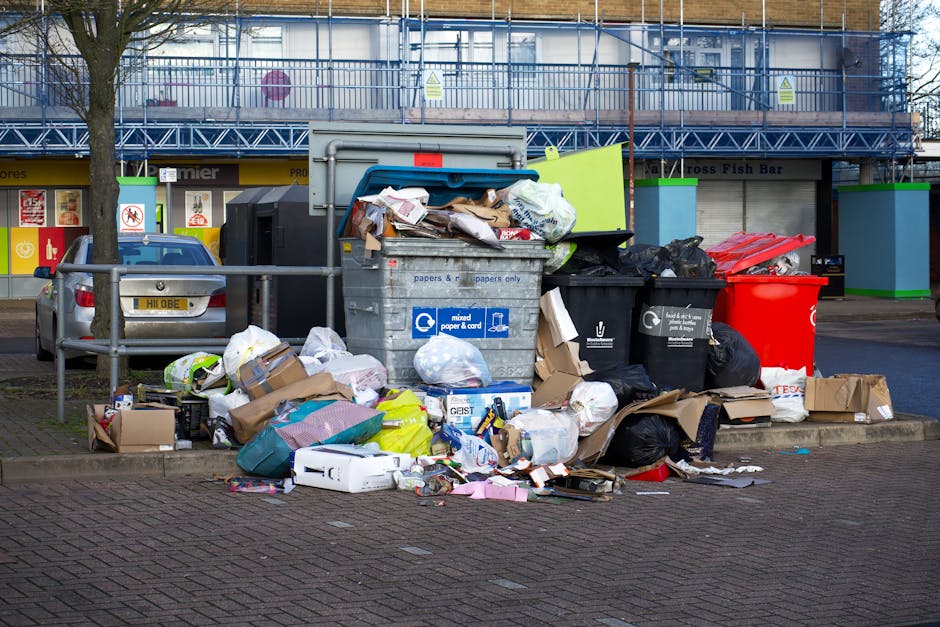
What tenants need to know about council waste rules and cleaning in W8

Moving out, moving in, or just trying to keep on top of day-to-day life in W8 can feel oddly complicated when waste, recycling, and cleaning all overlap. One week you are staring at a pile of cardboard from a delivery, the next you are wondering whether that broken chair can go beside the bins, and then suddenly the landlord wants the flat spotless. This guide on What tenants need to know about council waste rules and cleaning in W8 brings the practical bits together so you can avoid fines, neighbour complaints, and last-minute cleaning panic.
Truth be told, most tenant headaches in West Kensington, Kensington, and the surrounding W8 streets are not caused by major messes. It is usually the small stuff: bins left out too long, food waste in the wrong sack, bulky rubbish dumped in a hallway, or cleaning that starts too late. That all matters. And if you are planning an end of tenancy clean, a move-out, or even a simple reset after a busy month, the right approach can save time and money.
Below, you will find a clear breakdown of how council waste rules typically affect tenants, what cleaning expectations usually apply, and how to handle the practical side without overthinking it. There is a lot here, but it is all designed to be useful. No fluff.
Why council waste rules and cleaning in W8 matter
In a busy London postcode like W8, waste storage and cleaning are not just housekeeping details. They affect shared entrances, pavement appearance, pest risk, building hygiene, and, frankly, how smoothly your tenancy goes. If rubbish is left where it should not be, it can create odours, attract vermin, and annoy neighbours fast. If a flat is cleaned badly before checkout, the landlord or agent may challenge the deposit return. Simple as that.
Tenants sometimes assume bin rules are only about convenience. They are not. Local collection systems depend on correct sorting, correct placement, and correct timing. Miss the collection window and you may be left with bags outside overnight. Put the wrong material in the recycling and it may be rejected. Leave greasy pizza boxes in a recycling container and, well, the whole thing can become a mess no one wants to deal with.
Cleaning ties in because waste and cleanliness are connected. An overflowing kitchen bin can leave residue on the floor. Cardboard from deliveries can shed dust and bits into corridors. A bag split on the stairs can spread grime in seconds. If you stay ahead of the waste, the cleaning becomes easier. If you fall behind, the whole place starts to feel harder to manage.
Expert summary: The safest approach for tenants in W8 is to treat waste disposal, recycling, and cleaning as one routine rather than three separate tasks. If the bins are organised and the flat is cleaned regularly, move-out day becomes much less stressful.
If you are arranging a proper reset rather than just a quick tidy, services such as deep cleaning or end of tenancy cleaning can make a real difference. For many tenants, that is the point where everything starts feeling under control again.
How council waste rules and cleaning in W8 usually work
Most tenant waste responsibilities in W8 come down to three things: knowing what can go where, knowing when it can be put out, and knowing who is responsible for the shared space. In a house share, the answer is often "everyone, a bit". In a managed block, the landlord, managing agent, or building porter may have additional rules. And in some streets, the layout of storage points can be a bit awkward. London always likes to keep things interesting.
As a tenant, you usually need to separate everyday waste from recyclables and bulky items. Recyclables are the clean, dry materials that councils typically want separated from general waste. General waste is the mixed bag of items that cannot be recycled through the normal system. Bulky items are furniture, mattresses, large appliances, or other things that will not fit in standard collections.
Cleaning works alongside this because tenancy agreements commonly expect the property to be left in a reasonable condition. That does not always mean "showroom perfect", but it usually does mean clean appliances, wiped surfaces, cleared bins, and no strong odours. If you have been living there for a while, the marks you stop noticing every day can suddenly become visible the moment you start packing. You know the sort of thing: the dust line behind the radiator, the greasy oven handle, the faint black scuff by the skirting board.
For move-related jobs, many tenants combine waste removal with a service such as move-out cleaning or move-in cleaning. That tends to work well because the home is already partly emptied and the cleaners can reach the awkward spots. It is a practical combination, not a fancy one.
A point people miss: building rules may be stricter than the basic collection rules. An estate or block may require bagged rubbish, quiet disposal times, or no loose items in hallways. If you are in a communal block, keeping shared areas tidy is not optional. It is part of living there, and it matters more than most people think.
Key benefits and practical advantages
Getting council waste habits right does more than keep you out of trouble. It makes daily life easier. Less clutter, fewer smells, fewer pest risks, and less stress when inspections or move-out day come around. That sounds obvious, but people underestimate how much mental energy disappears when waste is under control.
- Lower risk of disputes: Clean bins and tidy rooms reduce the chance of complaints from neighbours, agents, or landlords.
- Easier end-of-tenancy handover: If waste has already been sorted, the final clean is quicker and more effective.
- Better hygiene: Food waste, packaging, and damp rubbish are common sources of odours and bacteria build-up.
- Less chance of pest problems: Regular bin management helps avoid flies, ants, and the sort of unwelcome visitors nobody wants.
- Smarter use of cleaning time: You spend less time rescuing a space from mess and more time doing proper detail work.
- Better first impressions: This matters whether you are moving out, welcoming new housemates, or preparing for an inventory visit.
There is also a financial angle. Tenants often lose money because a small cleaning issue turns into a bigger one. A sticky kitchen bin area can mean the floor needs more work. Food spills in a fridge can require extra attention. A neglected mattress or sofa can hold odours that are surprisingly stubborn, which is where mattress cleaning or sofa cleaning may be worth considering.
One of the nicer side effects, honestly, is how a well-kept home feels at the end of the day. You walk in, drop your keys, and the place does not immediately ask something of you. That matters more than it sounds like it should.
Who this is for and when it makes sense
This guide is for tenants in W8 who want to avoid the usual waste-and-cleaning muddle. That includes single occupants in flats, families in rented homes, house sharers, short-let guests staying long enough to make a mess of the recycling, and tenants preparing for inspections. It is also useful if you are new to the area and still working out how a local collection routine works.
It makes sense especially when:
- you are nearing the end of a tenancy and need to hand the property back properly;
- you have been left with bulky rubbish after a move or furniture replacement;
- you share bins with neighbours or housemates and need a clearer routine;
- you are dealing with pet hair, odour, or regular wear and tear;
- you have had decorating work, minor repairs, or contractors in the flat;
- you want to improve hygiene before guests, inspections, or a fresh start.
If the place has been lived in hard for a while, a one-off reset can be the easiest path. In many cases, tenants choose one-off cleaning rather than trying to build a perfect routine from scratch in a week. Fair enough, really.
For tenants who are settling in long-term, regular cleaning is often the more sustainable option. You avoid the "let it go, then panic" cycle. We have all seen that cycle. Not ideal.
Step-by-step guidance
If you want a practical way to handle waste and cleaning in W8, use this simple process.
- Check your tenancy paperwork first. Look for bin storage instructions, cleaning clauses, and any mention of end-of-tenancy expectations. Some agreements are vague, but even vague wording tells you there may be a standard to meet.
- Find out how your building handles rubbish. In a house, this may mean front-boundary collection. In a flat, it may mean a shared bin store, recycling room, or arranged pickup point. Do not assume the routine from a previous property applies here.
- Sort waste as you go. Keep general rubbish, dry recyclables, and bulky items separate. Put a small recycling box in the kitchen if needed. It saves time, and it stops the kitchen bin from turning into a catch-all.
- Bag and contain waste properly. Loose rubbish in hallways is bad manners and, in some buildings, against the rules. Bags should be secure, especially if they contain food waste.
- Clear out hidden waste zones. Check under the sink, behind sofas, under beds, inside drawers, and on balcony corners. It is amazing how many forgotten items hide in plain sight.
- Clean the main problem areas. Start with kitchen, bathroom, bins, floors, and high-touch surfaces. Then move to bedrooms, living spaces, and windows. If you are dealing with stubborn grime, a professional carpet cleaning service can lift the room very quickly.
- Deal with smells early. Odours from bins, drains, pets, or old food tend to linger. Once they settle in, they become harder to remove. For stubborn cases, pet stain odour removal or targeted stain removal can help.
- Do a final walk-through. Stand in the doorway and look for obvious issues: bin residue, dusty corners, marks on walls, grime on appliances, and missed rubbish. That final check catches a lot.
For the heavier jobs, it can help to bring in specialist support. If the kitchen is the main issue, oven cleaning is often the single biggest upgrade you can make. If the floors have taken a beating, hard floor cleaning or steam carpet cleaning may be the difference between "tidy enough" and genuinely presentable.
Expert tips for better results
Little habits make the biggest difference. Not glamorous, but true. In our experience, the tenants who have the smoothest move-outs are the ones who never let rubbish build up in the first place.
- Keep a small bin for paper and packaging near the door. That makes it easier to carry items out on the way to the main bins.
- Empty food waste before it starts to smell. A half-full kitchen bin can turn unpleasant very quickly in warm weather.
- Use separate bags for recycling and general waste. It sounds basic because it is basic, and basic works.
- Book cleaning before packing day if possible. It is much easier to clean shelves, skirting, and the edges of appliances before furniture is moved out.
- Take photos of the property after cleaning. Useful if you need to show condition at handover. Keep them clear, simple, and dated.
- Pay attention to soft furnishings. Curtains, upholstery, rugs, and mattresses trap dust and odour. Those are the bits people notice when the room has been emptied.
If your flat has had smokers, pets, or a lot of traffic from visitors, the soft-furnishing layer can be the hidden issue. That is where services like upholstery cleaning, rug cleaning, and curtain cleaning come into their own. The room can look clean and still feel a bit off. You will notice it as soon as you open the window and the light hits the fabric.
One slightly nerdy but useful tip: do the bin area last when cleaning, not first. Otherwise you end up carrying crumbs and dust from the bins back across an already cleaned floor. A tiny annoyance, but still an annoyance.
Common mistakes to avoid
The same mistakes come up again and again, and they are usually easy to prevent once you know them.
- Leaving waste outside too early or too late. That can create mess, attract complaints, or lead to collections being missed.
- Mixing recyclables with general rubbish. One bad bin can spoil the rest, depending on how the collection system is managed.
- Ignoring bulky rubbish until the final week. Large items take planning. They do not magically disappear because you are busy.
- Cleaning around clutter instead of clearing it. It is hard to clean properly when piles of stuff are still everywhere.
- Forgetting hidden marks and odours. Skirting edges, cupboard tops, inside bins, and around appliances are common misses.
- Assuming a "surface clean" is enough. For move-outs, a quick wipe may not match what landlords or agents expect.
- Leaving shared spaces to someone else. In a house share, that usually ends in a last-minute rush and a lot of mildly awkward messages.
Another one worth calling out: people sometimes focus on visible cleaning and ignore disposal. But a pristine bathroom does not help much if the kitchen bin is still full or there are bags in the hallway. Waste and cleaning have to be handled together. Always.
Tools, resources and recommendations
You do not need fancy equipment, but having the right basics makes the job much less painful.
- Sturdy refuse bags: helps prevent split bags and leaks.
- Reusable sorting containers: useful for separating recycling from general waste.
- Microfibre cloths: good for dust, surfaces, and quick wipe-downs.
- Vacuum with attachments: especially helpful around skirting, corners, upholstery, and under furniture.
- Non-abrasive cleaning products: safer for most kitchen and bathroom surfaces.
- Rubber gloves: sensible for bin cleaning and greasy areas.
- Odour-neutralising methods: ventilation is often the simplest first step; targeted cleaning comes next.
If you are tackling a larger property or a property that has been lived in hard, professional support can be the sanest choice. A domestic cleaning visit can help with routine maintenance, while house cleaning is better suited to a fuller property-wide refresh. For post-renovation dust and debris, after builders cleaning is usually the more suitable option.
Where residents need communal support, especially in shared buildings, communal area cleaning can be a sensible service to keep entryways, stairs, and bin stores in better shape. It is one of those things people only really appreciate once it has been neglected for a while.
Law, compliance, standards and best practice
This is the section where people sometimes get nervous, but it does not need to be dramatic. For tenants in the UK, the main point is that waste must be disposed of in line with local collection rules and tenancy obligations. Councils set the collection arrangements, and landlords or managing agents may set additional house rules for the building. You are expected to follow both where they apply.
In practical terms, best practice usually means:
- using the correct bins or sacks for the waste stream;
- placing bins out only when instructed;
- keeping shared areas free from loose rubbish;
- disposing of bulky items separately rather than leaving them in communal spaces;
- keeping the property reasonably clean throughout the tenancy;
- leaving the property in a condition that matches the tenancy agreement at the end.
For cleaning standards, the safest approach is to read the tenancy wording carefully and work from there. Some agreements expect a professional clean if the property was professionally cleaned at the start. Others simply require a comparable clean. If you are unsure, ask for clarity before moving day rather than guessing and hoping it all works out. Hope is not a cleaning method.
Insurance and safety matter too. If you are booking help, it is sensible to check that the company uses safe procedures and appropriate equipment. You can review the provider's approach to health and safety and insurance and safety before booking. That is not being fussy. It is just sensible due diligence.
If you want to understand how quotes, payment handling, or booking terms are managed, the provider's pricing and quotes, payment and security, and terms and conditions pages are worth reading before you commit. Good service is not just about the cleaning result; it is also about the process around it.
Options, methods and comparison table
Tenants usually have three realistic options: do it yourself, do a mixed approach, or book a professional service. Which one makes sense depends on time, budget, and how much residue or waste is left behind.
| Approach | Best for | Pros | Limitations |
|---|---|---|---|
| DIY cleaning and waste handling | Small flats, light mess, organised tenants | Lowest cost, full control, flexible timing | Time-consuming, easy to miss detail areas, harder for stubborn dirt |
| Mixed approach | Most moving situations | Cost-effective and practical; you handle sorting while pros handle deep tasks | Still requires planning and some effort |
| Professional cleaning support | End of tenancy, heavy use, large properties, tight deadlines | Better finish, less stress, more thorough on hidden areas | Higher upfront cost than DIY |
For many W8 tenants, the mixed approach is the sweet spot. You clear waste, sort items, and do the decluttering yourself, then bring in professionals for the jobs that require stronger equipment or better technique. That might include steam carpet cleaning, oven cleaning, or a full end of tenancy cleaning package.
It is also worth noting that some properties need more than one type of cleaning. A flat with pets, heavy cooking, and a bit of wear in the hallway may need carpet work, upholstery care, and a kitchen reset. That is not overkill. That is just reality.
Case study or real-world example
Here is a realistic example from the kind of situation many tenants in W8 face. A couple were leaving a second-floor flat after three years. They had done a decent job keeping it tidy, but they had not realised how much waste had built up in small places: a cupboard full of expired cleaning products, old cardboard in the utility corner, and a balcony stash of flat-pack packaging they had meant to recycle "next weekend".
They started with the waste first. General rubbish went out in secure bags. Recycling was separated into dry cardboard, bottles, and clean packaging. Bulky bits were sorted for separate removal. Then they cleaned from top to bottom: kitchen cupboards, oven, fridge seals, bathroom grouting, skirting boards, and floors. The lounge looked better quickly, but the biggest improvement came after the carpets and sofa were cleaned. Suddenly the flat smelled fresher, not perfumed-fresh, just properly clean.
The slightly awkward bit? They nearly forgot the shared bin area. One of them had already taken the last bags down, then remembered there was a loose box in the hallway cupboard. It happens. A quick final sweep saved them from leaving behind exactly the sort of thing that causes frustration later.
In the end, the handover was straightforward. No grand drama, no heroic last-minute all-nighter. Just a methodical approach, a bit of discipline, and the willingness to deal with waste before it became a problem. That is really the whole trick.
Practical checklist
Use this before you leave a property or before a deeper clean.
- All general waste bagged securely
- Recycling separated correctly and stored neatly
- Bulky items removed or arranged for collection
- Kitchen bin emptied and cleaned
- Bathroom bins checked and disinfected
- Oven, hob, and extractor cleaned
- Fridge and freezer emptied and wiped
- Floors vacuumed and mopped
- Carpets and rugs cleaned if needed
- Upholstery checked for marks, hair, and odour
- Windows wiped and fingerprints removed
- Skirting boards, doors, and switches cleaned
- Shared areas left tidy
- Final photos taken after cleaning
If any part of that list feels more involved than you expected, that is normal. Tenancies pile up life in small ways. The job is simply to unwind it properly.
Conclusion
What tenants need to know about council waste rules and cleaning in W8 is not really about memorising every rule. It is about staying organised, respecting shared spaces, and avoiding the kinds of small mistakes that create big frustrations later. Once you separate waste from cleaning in your mind, the whole process gets much easier.
Start early, be consistent, and tackle the hidden spots before the deadline presses in. If you do that, you will usually end up with a calmer move, a cleaner home, and far fewer awkward conversations. And let's be honest, that is the result everyone wants.
Get a free quote today and see how much you can save.
Whether you are dealing with a quick refresh, a full move-out, or a property that needs proper attention from top to bottom, the smartest move is the one that leaves you feeling lighter, not flustered. A good clean has a way of doing that.
Frequently Asked Questions
What tenants need to know about council waste rules and cleaning in W8 before moving out?
You should check your tenancy agreement, separate waste correctly, remove bulky items, and leave the property clean enough to match the contract terms. The safest approach is to start early rather than trying to fix everything in the final 24 hours.
Can I leave rubbish outside my flat in W8 the night before collection?
Only if your building rules and collection timing allow it. In many cases, leaving rubbish out too early can cause mess or complaints, especially in shared entrances or on narrow streets.
Do tenants need to deep clean a rental property at the end of a tenancy?
Often, yes, if the tenancy wording requires a thorough clean or if the property was professionally cleaned before move-in. Even when it is not explicitly required, a deeper clean can protect your deposit and make handover smoother.
What happens if I mix recycling with general waste?
The collection may be rejected or the waste may be handled less efficiently. It can also cause issues in shared buildings where neighbours rely on clean, well-sorted bin areas.
How should I deal with bulky waste like furniture or a mattress?
Bulky items usually need separate handling. Do not leave them in a communal hallway or bin store. Arrange proper removal or use an approved collection method for large items.
Is professional cleaning worth it for tenants in W8?
It often is, especially for end-of-tenancy jobs, heavy use properties, or homes with carpets, upholstery, or stubborn kitchen grime. It saves time and usually gives a better finish than a rushed DIY clean.
What cleaning areas do landlords usually check most closely?
Kitchens, bathrooms, floors, ovens, windows, skirting boards, and bins are common trouble spots. Soft furnishings and carpets are also checked if they look worn or carry odours.
How do I stop bin smells in a rented flat?
Empty food waste regularly, keep bin lids closed, wash the bin itself, and do not let scraps sit around the kitchen. Good ventilation helps too. A small habit, but a very effective one.
Should I clean carpets before or after moving furniture out?
Usually after bulky furniture is removed, because it gives better access to the whole floor. If you want a smoother result, book carpet care once the room is almost empty.
Can I combine waste clearance with deep cleaning?
Yes, and that is often the most practical route. Waste clearance clears the space, while cleaning deals with the surfaces, odours, and hidden residue that rubbish alone does not solve.
What if my flat has pet smells or stains?
Pet-related odours can cling to soft furnishings, carpets, and mattresses. Targeted treatment is usually needed, not just a general surface wipe. That is where specialist stain and odour removal can help.
Where can I find more information about service standards and booking terms?
It is sensible to review service details such as about us, recycling and sustainability, and the provider's policy pages before you book. That gives you a better sense of how they work and what to expect.