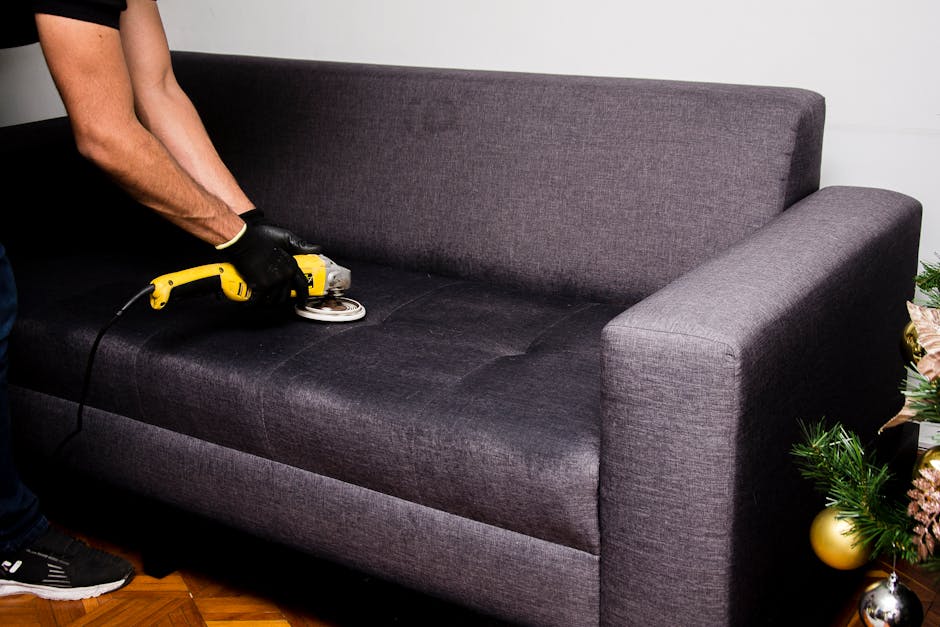
Ilchester Place upholstery cleaning before and after case study
Posted on 29/05/2026
Ilchester Place Upholstery Cleaning Before and After Case Study: A Practical Guide to Results, Process, and Expectations
If you are searching for an Ilchester Place upholstery cleaning before and after case study, you probably want more than a glossy promise. You want to know what actually changes, what the cleaning process looks like in a real home, and whether the result is worth the disruption. Fair enough. Upholstery cleaning is one of those jobs that can look deceptively simple until you see how much dust, body oils, drink marks, pet hair, and everyday wear have settled deep into the fibres.
In this guide, we break the topic down in a way that is useful for homeowners, tenants, landlords, and property managers in and around Kensington and Ilchester Place. You will see why before-and-after comparisons matter, how upholstery cleaning is typically carried out, what a good outcome should look like, and which details make the biggest difference. We will also cover common mistakes, practical checklists, and what to expect if you are comparing services such as upholstery cleaning in Kensington W8 or related domestic services like house cleaning in W8.
One small truth from the field: the best results are not always the ones that look dramatic at first glance. Sometimes the real win is a sofa that smells fresher, feels softer, dries properly, and no longer makes the room look tired. That kind of change is easy to underestimate until you sit down on it.
Why Ilchester Place upholstery cleaning before and after case study Matters
Before-and-after case studies are valuable because upholstery is visual. You can describe the service all day, but a cushion that has gone from dull and patchy to clean and even tells the story faster than any sales pitch. For residents in Ilchester Place, where homes often aim to look polished and well cared for, upholstery is part of the room's first impression.
A proper case study also helps set realistic expectations. Not every stain disappears completely. Not every fabric responds the same way. A good cleaner should explain what can be improved, what might lighten rather than vanish, and what needs a different treatment approach. That honesty matters. It saves disappointment later.
There is another reason this topic matters: upholstery cleaning is often the final touch before a property is photographed, handed over, or lived in again. A sofa that looks clean in natural daylight can lift the whole space. If you are already thinking about broader property presentation, the guidance in these tips for property sellers in Holland Park can sit nicely alongside upholstery care.
Expert summary: the best upholstery cleaning outcomes are not just about stain removal. They are about fabric safety, even finish, residue control, and drying speed. If those four things are right, the room usually feels different straight away.
How Ilchester Place upholstery cleaning before and after case study Works
In practice, upholstery cleaning follows a sequence. First, the fabric is identified. Then the cleaner looks at soil level, fibre type, colour stability, and any localised marks. After that comes pre-vacuuming, spot treatment, agitation if needed, extraction or low-moisture cleaning, and final drying guidance. Simple enough on paper. In reality, the details decide the outcome.
Different upholstery fabrics behave differently. Cotton, linen blends, wool mixes, synthetic microfibre, velvet, and leather all need a slightly different touch. A stain that sits on top of a synthetic fabric may respond well to targeted cleaning, while a deeper grease mark in a natural weave may need more careful treatment. There is no magic wand here, despite what some adverts might suggest.
For a before-and-after case study, the most useful part is the inspection. A good cleaner should record the original condition, note problem areas like armrests, seat fronts, and scatter cushions, and explain what can be improved. If the job is being done as part of a larger domestic refresh, the full services overview can help you understand how upholstery cleaning fits alongside other maintenance tasks.
In a real Ilchester Place setting, that might mean a living room sofa with faint drink rings, a dining chair set with everyday wear, and a footstool that has picked up hand marks over time. The before-and-after difference is often most obvious in the high-contact areas. Those are the spots that quietly age a room.
Key Benefits and Practical Advantages
Upholstery cleaning offers more than a neat photo for the end result. The practical benefits are real, especially in homes where furniture gets daily use.
- Better appearance: fabrics look brighter, more even, and less tired.
- Improved freshness: odours from cooking, pets, and everyday use are reduced.
- Longer furniture life: removing embedded dirt can reduce wear on fibres.
- Better presentation: useful before viewings, events, and guest stays.
- More comfortable living: clean upholstery tends to feel fresher and more inviting.
There is also the confidence factor. Once the sofa and chairs are done properly, the room stops nagging at you. You know the one. That corner of the room you keep noticing but never quite fix. Upholstery cleaning can make a surprisingly large difference to how "finished" a home feels.
If you are comparing broader cleaning options, it can be helpful to look at related support pages such as domestic cleaning in Kensington W8 or office cleaning in Kensington, especially if the furniture sits in a working or shared environment.
Who This Is For and When It Makes Sense
This kind of cleaning makes sense for several different readers. If any of these sound familiar, you are probably in the right place:
- Homeowners preparing for guests, family visits, or seasonal refreshes
- Landlords wanting a property to feel properly maintained
- Tenants aiming to leave a strong impression at the end of a tenancy
- Buyers or sellers improving presentation before photos and viewings
- Busy households where sofas and chairs take a beating every day
- Small offices or reception areas with upholstered seating
It is especially sensible when you can see a visible change in traffic areas: armrests, seat cushions, and back panels. If the fabric looks patchy under daylight or feels slightly grimy even after vacuuming, that is usually the sign to act. Waiting too long tends to make the job harder, not cheaper. Truth be told, that's how many "small marks" turn into "why did we leave this so long?" moments.
For property-related planning in the area, the local insight in real estate opportunities in Holland Park and whether Holland Park is a nice place to live may help you understand the kind of presentation standards people expect nearby.
Step-by-Step Guidance
Here is a practical way to think about an upholstery clean from the first look to the final result.
- Inspect the fabric and marks. Check fibre type, construction, colourfastness, and visible staining.
- Test carefully. A discreet area should be checked before treating the whole piece.
- Remove dry soil first. Vacuuming matters more than many people think. Dust and grit can interfere with cleaning.
- Pre-treat problem zones. Armrests, headrests, and spills often need targeted attention.
- Clean using the appropriate method. This may be hot water extraction, low-moisture cleaning, or hand-finishing.
- Rinse or control residue. Overwetting and detergent residue are common causes of patchiness.
- Groom and dry. Fibres are reset where possible, and airflow is encouraged for even drying.
- Review the finish. The final check should confirm that no missed marks or damp spots remain.
A practical example: if a light-coloured sofa has a few old cup marks and general dullness, the cleaner may improve the whole seat area rather than chase every mark individually. That wider approach often gives a more natural result. It looks cleaner, not scrubbed. There is a difference.
If you want to understand pricing or request a quote before booking, take a look at pricing and quotes. It is usually better to clarify scope early than to guess and hope later.
Expert Tips for Better Results
These are the small things that usually improve the final finish. Not glamorous, but they matter.
- Vacuum thoroughly before the appointment. Loose debris can muddy the cleaning process.
- Share the full history of the stain. Drink, food, body oils, pet accidents, ink, and makeup all behave differently.
- Move cushions where possible. Hidden areas often reveal the real level of soil.
- Control room temperature and airflow. Faster drying reduces the risk of lingering damp smells.
- Be realistic about old stains. Some marks improve a lot; some soften but remain faint.
- Ask about the safest method for your fabric. That one question prevents a lot of trouble.
There is also a softer tip: do not rush to use the furniture too quickly. A sofa can feel "dry enough" on the surface while still holding moisture deeper in the padding. Let it breathe a little. Open a window if the weather allows. Even on a grey London afternoon, a bit of air movement goes a long way.
For clients who prefer lower-impact methods, the company's eco-friendly cleaning approach is worth noting, especially when households want effective cleaning without unnecessary harshness.
Common Mistakes to Avoid
Upholstery cleaning is one of those jobs where a few bad decisions can undo a lot of good intention. Here are the usual culprits.
- Using too much water. This can lead to longer drying times and water marks.
- Scrubbing stains aggressively. That often pushes the stain deeper or damages the pile.
- Cleaning without identifying the fabric. A wool blend and a synthetic seat do not want the same treatment.
- Ignoring hidden areas. The back corners and under-cushion spaces can hold a surprising amount of dust.
- Trying to remove every mark with one product. That is rarely sensible.
- Skipping a test patch. A small test is boring, yes, but very useful.
A less obvious mistake is expecting upholstery to look brand new after years of wear. That is not always the realistic target. The real benchmark is a major visual improvement, a fresher feel, and safer fabric care. If you get those three, the job has probably been done properly.
Where safety and trust are concerned, it is helpful to work with a provider that is open about insurance and safety as well as clear working practices. That might sound obvious, but many people skip this step and regret it later. Slightly boring, admittedly. Still important.
Tools, Resources and Recommendations
The right tools make a huge difference to upholstery results. This does not mean the most expensive equipment always wins. It means the correct equipment, used carefully, usually wins.
| Tool or Resource | What it helps with | Why it matters |
|---|---|---|
| Upholstery vacuum tools | Loose dust, crumbs, pet hair | Removes dry soil before wet cleaning begins |
| Fabric-safe pre-treatment | Local stains and grease spots | Improves stain breakdown without harsh abrasion |
| Extraction or low-moisture system | Deep-cleaning the fabric | Helps remove embedded soil while managing drying time |
| Microfibre cloths and grooming tools | Finishing and fibre alignment | Helps upholstery dry more evenly and look neater |
| Clear service information | Scope, expectations, aftercare | Reduces confusion before the appointment starts |
When choosing a provider, look beyond the headline service. The wider business setup matters too. Pages such as about us and a tradition of excellence can give a better sense of how a company approaches quality, consistency, and customer care.
Also useful: if your home is undergoing a broader clean, combining upholstery work with carpet cleaning in W8 or scheduled domestic cleaning can make the whole space feel more coherent. Not always necessary, but often smart.
Law, Compliance, Standards, or Best Practice
For upholstery cleaning, the practical compliance angle is mostly about safety, care, and transparency rather than heavy regulation. A good provider should follow sensible risk controls, use products appropriately, and avoid creating hazards such as slip risks, damp residue, or damage to delicate fabrics.
In the UK, it is normal practice for cleaning services to think carefully about product use, ventilation, fabric suitability, and customer instructions. For occupied homes and offices, best practice usually includes:
- Explaining the method before work begins
- Testing fabrics where needed
- Using suitable PPE and safe handling procedures
- Leaving the area tidy and workable after cleaning
- Being honest about limitations and likely results
If the job is in a busy household or a shared space, communication is just as important as technique. People need to know how long the furniture should dry, whether the room should be ventilated, and when the item can be used again. That is basic professionalism, really.
Readers who care about service standards may also appreciate the policies page collection, including health and safety policy, terms and conditions, and payment and security. These pages help set expectations and support trust before anyone books.
Options, Methods, or Comparison Table
Not every upholstery job needs the same method. The right option depends on the fabric, the condition, and how quickly you need the furniture back in use.
| Method | Best for | Strengths | Trade-offs |
|---|---|---|---|
| Hot water extraction | Many synthetic and robust fabrics | Good soil removal, strong deep-clean effect | May need more drying time |
| Low-moisture cleaning | Sensitive schedules or some delicate fabrics | Faster turnaround, less saturation | May not suit heavy contamination |
| Hand-cleaning and spot treatment | Small areas or mixed fabric concerns | More controlled on tricky marks | Can be slower and less uniform |
| Preventive maintenance clean | Regular upkeep | Helps prevent deep-set soiling | Less dramatic if the item is already heavily worn |
As a rule of thumb, the more delicate the fabric, the more measured the approach should be. Velvet, linen blends, and older upholstery often need patience. Some fabrics forgive too much. Others do not. No drama, just facts.
If your project is tied to moving house or end-of-tenancy timing, you may also find the guidance on end of tenancy cleaning in Kensington W8 useful for planning the order of tasks.
Case Study or Real-World Example
To keep this grounded, here is a realistic example of the kind of before-and-after improvement people usually want from an Ilchester Place upholstery clean. This is a composite scenario, not a documented testimonial, but it reflects the sort of work that comes up often in the area.
A family living room had a three-seat fabric sofa and two dining chairs with visible wear. The sofa looked dull in daylight, especially on the seating area and both armrests. There was a faint ring mark on one cushion, some darker shading where hands and heads had repeatedly contacted the fabric, and a general stale smell that had built up over winter. Nothing shocking. Just enough to make the room feel less fresh than it should.
Before cleaning, the first step was dry vacuuming and a careful check of the fabric type. A test patch was carried out because the upholstery had a slightly textured weave. The cleaner then pre-treated the high-contact zones and used a controlled cleaning method to avoid over-wetting the filling beneath. The visible improvements were most noticeable on the armrests, cushion faces, and the upper back panels. The ring mark faded significantly, although a faint trace remained under certain light angles. That is normal with older stains.
The biggest change was not just visual. The room smelled cleaner. The fabric felt lighter to the touch. The sofa no longer looked greyed-out in the same way it had before. In the late afternoon light, which tends to expose everything in a London room, the difference was obvious without looking overdone. That matters.
For properties where presentation is part of the brief, nearby reading such as discovering the quirky charms of Holland Park or best places for events in Holland Park adds useful local context, especially if the clean is part of hosting, staging, or general upkeep.
Practical Checklist
Use this checklist before you book or begin the work. It keeps things simple.
- Identify the upholstery fabric if you can
- Check for loose stitching, worn piping, or fragile areas
- Take photos of the furniture before cleaning
- Point out stains, odours, and previous cleaning attempts
- Ask which method is most suitable for the fabric
- Confirm likely drying time and access needs
- Move breakables and small items away from the area
- Plan for ventilation after the clean
- Review the aftercare advice before the technician leaves
- Inspect the result in natural light if possible
If you want a cleaner, smoother booking experience, it also helps to read the company's support pages, including accessibility statement and complaints procedure. Those pages say a lot about how a business handles communication when things do not go perfectly. And let's face it, sometimes they don't.
Get a free quote today and see how much you can save.
Conclusion
A strong Ilchester Place upholstery cleaning before and after case study should do more than show a cleaner sofa. It should explain the process, set expectations, and help you understand why certain results are achievable while others depend on fabric, age, and stain type. That is the real value of before-and-after work: it turns a vague promise into something practical you can judge.
If you are deciding whether to book, focus on three things: the condition of the fabric, the method being used, and the honesty of the explanation. When those line up, the outcome is usually satisfying. Not flashy for the sake of it. Just genuinely better. A fresher room, a better feel, and one less thing quietly bothering you in the background.
And that, to be fair, is often exactly what a good clean should do.