
Holland Park end of tenancy cleaning checklist for landlords
Posted on 06/06/2026
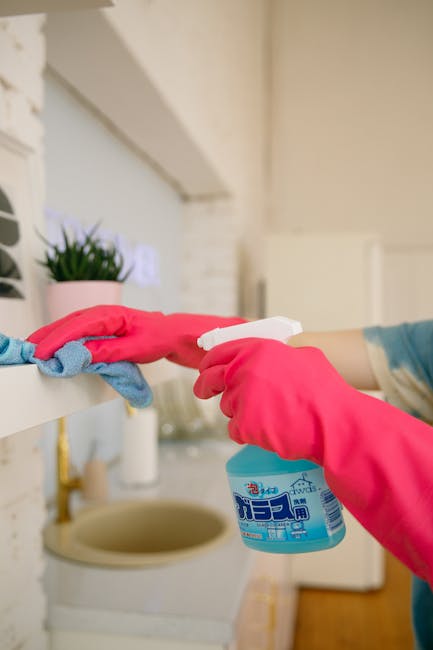
If you are handing a property back in Holland Park, the final clean is rarely just a tidy-up. It is the last line between a smooth tenancy changeover and a frustrating dispute over deposits, condition reports, or avoidable delays. A good Holland Park end of tenancy cleaning checklist for landlords helps you stay organised, protect the property's presentation, and set a clear standard for the next tenant. In a neighbourhood where expectations can be high and small details show up fast, that matters more than most landlords realise.
This guide walks through what to clean, why it matters, how to inspect it properly, and where landlords often get caught out. It is written for practical use, not theory. You can use it whether you manage one flat or several homes across Kensington and W8.
- Why the checklist matters
- How the process works
- Benefits for landlords
- Who needs this guidance
- Step-by-step cleaning guidance
- Expert tips
- Common mistakes
- Tools and recommendations
- Compliance and best practice
- Options and comparison
- Real-world example
- Practical checklist
- Conclusion
- Frequently asked questions
Why Holland Park end of tenancy cleaning checklist for landlords Matters
A landlord's end-of-tenancy clean is not just about making a property look nice for the next viewing. It is about evidence, standards, and consistency. When a tenancy ends, the property should be compared against the inventory, the check-out report, and the agreed expectations in the tenancy paperwork. A structured cleaning checklist makes that process far less messy. Quite literally, sometimes.
Without one, landlords tend to rely on memory: a bit of limescale in the bathroom, some dust behind a radiator, a patch in the oven, maybe a carpet that looks "fine enough." That can lead to disagreement later. A checklist removes guesswork and makes it easier to spot the difference between normal wear and avoidable dirt. In Holland Park, where many homes have high-spec finishes, older joinery, or delicate materials, the margin for error is small.
It also helps you keep standards consistent across different tenancies. One flat may have a tenant who leaves everything spotless. Another might need a deeper clean with extra attention to appliances, upholstery, and carpets. A checklist gives you a repeatable method instead of a last-minute scramble the day before keys are handed over.
Expert takeaway: A good landlord checklist is part cleaning guide, part inspection tool. That combination saves time, reduces disputes, and keeps the property looking cared for rather than merely "vacant."
If you want to understand how broader property presentation affects value and tenant perception, our Holland Park property presentation guide offers a useful local perspective. And if you are comparing service formats, the broader services overview page is a helpful place to start.
How Holland Park end of tenancy cleaning checklist for landlords Works
The process works best when you treat it as three separate stages: inspection, cleaning, and verification. That sounds simple, but in practice each step matters.
1. Inspect first, clean second
Walk through the property room by room before anyone starts. Look at floors, skirting boards, switches, handles, cupboards, appliances, windowsills, and soft furnishings. Note damage separately from dirt. A stain is not the same as a scratch, and mixing the two up can cause trouble later.
2. Assign priorities
Some areas always matter more than others. Kitchens and bathrooms usually carry the highest hygiene expectations. Carpets, ovens, hobs, fridges, extractor fans, and shower screens are common problem areas. If those are handled properly, the rest of the clean feels much more complete.
3. Use a standard sequence
Professionals normally work from top to bottom and from dry work to wet work. Dust first, then wipe, then deep clean, then finish floors. If you start with mopping and then clean shelves afterwards, you will leave debris behind. It happens. More often than people admit.
4. Verify before handover
The final check should be done in daylight if possible, or with strong enough lighting to show smears and residue. Open cupboards. Look at the inside of appliances. Check behind doors and around handles. The small stuff is usually where the complaints begin.
For landlords who want a more specialist support route, the end of tenancy cleaning Kensington W8 service page is relevant to the local area, while carpet cleaning in W8 becomes especially useful where carpets have picked up heavy foot traffic, pet hair, or drink marks.
Key Benefits and Practical Advantages
A thorough landlord clean offers more than a neat appearance. The practical gains are easy to miss until you have managed a few awkward move-outs yourself.
- Fewer deposit disputes: A clear record of cleaning standards makes it easier to show whether a tenant has met their obligations.
- Better first impressions: A fresh, clean property photographs better and feels more welcoming during viewings.
- Faster re-letting: Clean properties can be marketed sooner, especially when the handover window is tight.
- Lower maintenance pressure: Dirt left too long becomes harder to remove. Grease hardens, grout discolours, and soft furnishings hold odours.
- More consistent presentation: If you manage several units, a checklist helps all of them meet the same standard.
There is also a softer benefit that landlords sometimes overlook: confidence. When you know the property has been checked properly, the final walk-through is calmer. Less guesswork. Less backtracking. And honestly, that alone can be worth a lot on a rainy Thursday afternoon when the new tenants are due in before 4pm.
Who This Is For and When It Makes Sense
This checklist is useful for private landlords, letting agents, block managers, and anyone preparing a rental home for the next occupant. It is particularly relevant if the property has been let furnished, if carpets and upholstery have seen heavy use, or if the tenancy ended quickly and there has been little time to stage the handover properly.
It makes sense to use this checklist:
- before a new tenancy begins
- after tenants have moved out and before inventory check-in
- after a refurbishment or partial repair
- between short-term lets, where turnover is faster
- when a property has been empty for a while and needs freshening up
In Holland Park, many homes have a slightly more polished feel than standard rental stock. That does not mean landlords should chase perfection for its own sake, but it does mean presentation matters. A clean property signals care. A rushed property signals risk. People notice, even if they do not say it out loud.
If you are weighing how a property fits the local market more broadly, the article on whether Holland Park is a nice place to live gives helpful context on what tenants and buyers often value in the area.
Step-by-Step Guidance
Below is a practical room-by-room approach. It is not fancy, just reliable. That is usually what you want at the end of a tenancy.
1. Entrance, hallway, and first impressions
- Dust door frames, light switches, and skirting boards.
- Clean the front door inside and out where accessible.
- Check mirrors, glass panels, and any internal windows for fingerprints.
- Vacuum or mop floors, including corners and edges.
- Remove cobwebs from ceiling edges and light fittings.
The hallway sets the tone. If this area looks neglected, the whole property feels less cared for, even if the rest is reasonable.
2. Living room and bedrooms
- Dust shelves, ledges, radiators, curtain rails, and wardrobe tops.
- Wipe skirting boards and handles.
- Vacuum carpets thoroughly, including under furniture where possible.
- Clean hard floors with the right product for the surface.
- Check upholstery, cushions, and chair surfaces for stains or crumbs.
- Open windows briefly to air the room if weather allows.
Soft furnishings often hold onto small smells that you stop noticing after a while. A room can look tidy and still feel stale. That is one reason landlords often pair general cleaning with upholstery cleaning in Kensington W8 or targeted carpet care when the tenancy has been long or busy.
3. Kitchen
- Degrease the hob, splashback, and cooker hood.
- Clean inside and outside the oven, including trays and racks.
- Defrost and wipe the fridge freezer if it is included.
- Clean cupboard fronts, handles, and shelves.
- Sanitise sink, taps, and worktops.
- Check behind appliances for crumbs, grease, and dust.
- Remove bin marks and clean the bin area thoroughly.
The kitchen is where many disputes begin. A tenant may swear they cleaned it, but grease on a cooker hood tells a different story. If you inspect only the obvious surfaces, you will miss the real residue that tends to cause complaints.
4. Bathroom and separate toilet
- Descale taps, shower screens, tiles, and heads.
- Clean the toilet inside, outside, and around the base.
- Wipe mirrors, shelves, and cabinet fronts.
- Clean grout lines where possible.
- Check behind the toilet and around pipework.
- Polish chrome fixtures and test for limescale build-up.
Bathrooms need a slightly stricter eye. A quick wipe rarely does enough. In London, hard-water residue can build up faster than people expect, and a shiny tap can hide a lot less than it seems.
5. Windows, sills, and glass
- Wipe internal glass where safely accessible.
- Clean sills, tracks, and frames.
- Remove dust from blinds or shutters.
- Check for smears on French doors, balcony doors, and partition glass.
Natural light exposes everything. A surface that looked fine in the evening can look streaky the next morning. That's normal, but it means the final inspection should happen in good light if you can manage it.
6. Floors and carpets
- Vacuum all carpeted rooms slowly and in overlapping lines.
- Spot-treat marks before they settle deeper.
- Mop hard floors with the correct solution for the material.
- Pay attention to edges, corners, and under radiators.
- Check for wet patches, fibre flattening, or lingering odours.
Where carpets are part of the handover standard, a proper clean can make a significant difference. For landlords in the neighbourhood, the blog post on carpet cleaning on Holland Park Avenue is a useful related read because it reflects the kind of local demand and turnaround pressure many properties face.
7. Final detail pass
- Check light fittings, sockets, and switches for dust.
- Remove marks from doors and around handles.
- Look behind radiators if access allows.
- Empty all bins and remove rubbish from cupboards.
- Sniff-test the property, yes really, for damp or food smells.
That last step sounds a bit daft, but it catches more than people think. A landlord who notices a faint musty smell early can deal with it before the next tenant walks in and asks, "Has something been left closed up for months?"
Expert Tips for Better Results
After enough move-out cleans, a few patterns become obvious. The properties that pass check-out smoothly are usually not the ones where people worked hardest at the last minute. They are the ones where the plan was clear from the start.
- Use daylight for inspection where possible. Artificial light can hide streaks and dust trails.
- Separate damage from dirt. This makes deposit conversations more factual and less emotional.
- Prioritise touchpoints. Handles, switches, remotes, taps, and door edges reveal how much the home was used.
- Don't skip hidden zones. Behind appliances, under sinks, and along skirting boards are common miss points.
- Match the cleaning method to the material. Stone, wood, laminate, and painted surfaces all need different treatment.
- Document before and after. Even a few well-taken photos can save a lot of back-and-forth later.
One small but useful habit: keep a "known problem areas" note for each property. Maybe the oven door seals residue quickly, or the bedroom carpet near the window always shows a shadow stain. That little bit of memory helps a lot when the next tenancy ends. Human memory is wobbly. Lists are kinder.
For landlords interested in greener methods, there is also the company's eco-friendly cleaning approach, which can be a sensible option where you want to reduce harsh chemical use while still meeting a solid cleaning standard.
Common Mistakes to Avoid
Most end-of-tenancy problems are not dramatic. They are boring, repetitive, and entirely avoidable. Which is probably why they keep happening.
Leaving the clean too late
If the property is cleaned after the final inspection window, you may not have time to fix anything properly. Schedule the clean with enough buffer for a second look.
Cleaning only what is visible
Tenants, agents, and incoming occupiers notice the hidden areas. Oven trays, drawer runners, behind the toilet, and the underside of sink rims all matter.
Using one checklist for every property
A furnished flat, a family house, and a compact studio all need different attention. Keep the base checklist but adjust it for layout and materials.
Ignoring odours
A property can look spotless and still feel off. Cooking smells, pet odours, damp, and stale air are common reasons a clean does not "read" as clean.
Not recording the condition
Without photos or written notes, disagreements get fuzzy fast. People remember things differently when money is involved. Funny how that works.
Forgetting specialist items
Upholstery, curtains, blinds, and carpets often need more than a quick vacuum or wipe. If you overlook them, the property may still fail the overall standard.
There is a reason many landlords combine general cleaning with a focused service package. If you manage a mixed property portfolio, it can also help to compare approaches through pages like domestic cleaning in Kensington W8 or house cleaning W8 depending on the type of property being handed over.
Tools, Resources and Recommendations
You do not need a warehouse of equipment to do this properly, but you do need the right basics. The wrong cloth or product can make more work, not less.
| Task | Useful tools | Why it helps |
|---|---|---|
| Dusting high and low surfaces | Microfibre cloths, extendable duster | Lifts dust rather than pushing it around |
| Kitchen degreasing | Suitable degreaser, non-scratch pads | Removes build-up without damaging finishes |
| Bathroom descaling | Descaler, soft sponge, dry cloth | Helps tackle limescale and water marks |
| Carpets and rugs | Vacuum cleaner, spot cleaner | Handles debris and visible marks before deeper treatment |
| Inspection | Checklist, phone camera, torch | Makes the final review more reliable |
For larger or more demanding properties, professional support can be the better route. That may mean a full tenancy clean, targeted carpet treatment, or upholstery attention where fabric has picked up everyday wear. If you want to understand the company's broader service standards, the tradition of excellence page gives a sense of how quality and process are approached.
Landlords also appreciate service providers who are clear about practical matters such as pricing and safety. If that is part of your decision-making, see pricing and quotes and the insurance and safety page before booking anything. It is boring admin, yes, but the boring bits matter.
Law, Compliance, Standards, or Best Practice
End-of-tenancy cleaning sits in the space between legal expectation and practical best practice. The exact obligations depend on the tenancy agreement, the property condition, and the evidence recorded at move-in and move-out. In the UK, landlords should be careful not to overstate requirements that are not actually written into the tenancy documents. Equally, tenants should not be asked to leave a property in a better condition than agreed.
From a landlord's perspective, the safest approach is to keep the standard clear, consistent, and evidence-based. The usual best practice is:
- use an inventory and schedule of condition at check-in
- carry out a final inspection promptly after move-out
- separate cleaning issues from damages
- record photo evidence where needed
- apply the same standard across tenancies
If a professional cleaner is used, make sure they are briefed on the property's materials and priorities. That is especially relevant in homes with specialist surfaces, older fittings, or delicate upholstery. Good communication saves a lot of awkward "I thought that was included" conversations later.
When you book services online or manage payment details, it also helps to check the relevant site information. Pages such as payment and security, terms and conditions, and the privacy policy can help you understand how details are handled. For landlords who need a route for feedback, the complaints procedure page is also worth a quick look.
Options, Methods, or Comparison Table
Landlords usually have three practical routes: DIY cleaning, a hybrid approach, or a full professional clean. Each has a place.
| Approach | Best for | Pros | Limitations |
|---|---|---|---|
| DIY clean | Small, lightly used, low-risk properties | Lower upfront cost, flexible timing | Time-consuming, easier to miss detail, may not handle specialist stains |
| Hybrid clean | Properties needing help in key areas only | Focuses spend where it matters most | Needs good coordination and a clear brief |
| Professional clean | Furnished homes, busy tenancies, short turnaround | Consistent finish, less landlord time, stronger presentation | Higher immediate outlay, requires booking lead time |
In Holland Park, a hybrid approach often makes sense for landlords who know exactly where the property tends to suffer. Maybe the kitchen needs deep degreasing, the lounge needs upholstery care, and the carpets need attention, but the rest is manageable in-house. That is a practical compromise, not a shortcut.
For a more specialised comparison, it can help to browse related local pages such as office cleaning Kensington if you also manage mixed-use or furnished workspaces, or to review the about us page to understand the service ethos behind the work.
Case Study or Real-World Example
Here is a simple, realistic example from a typical Holland Park-style handover. A landlord is preparing a two-bedroom furnished flat for new tenants. The outgoing tenants have done the basics: bins emptied, surfaces wiped, beds stripped. At first glance, it looks passable. But the inventory check shows a different picture.
The oven still has baked-on residue. The bathroom mirror has dried water spots. The carpet in the living room has a dark patch near the sofa leg. Under the kitchen sink, there is a faint damp smell from an old spill. None of these issues is dramatic on its own. Together, though, they make the flat feel tired. A quick clean would not be enough.
The landlord uses a checklist, cleans the obvious surfaces first, then books targeted work for the stubborn areas. The carpet receives proper treatment, the bathroom is descaled, the kitchen is reworked properly, and the upholstery gets freshened up. By the final viewing, the flat feels lighter. The smell is gone. The windows catch the daylight instead of dulling it.
That is the point, really. Not perfection. Just a clean, well-presented property that feels ready for the next person to live there.
If you ever need a local example of how carpet and upholstery work can change a room's feel, the case study on Ilchester Place upholstery cleaning before and after is a useful nearby reference point.
Practical Checklist
Use this as a final landlord sign-off list before handover. It is intentionally direct.
- Confirm tenancy end date and inspection timing.
- Inspect the property before cleaning begins.
- Separate damage, wear, and dirt in your notes.
- Remove rubbish and unwanted items.
- Clean all kitchen appliances inside and out.
- Degrease the hob, extractor, and splashback.
- Descale bathroom fittings and shower screens.
- Wipe cupboards, handles, doors, and skirting boards.
- Vacuum carpets and rugs thoroughly.
- Treat marks on upholstery or soft furnishings.
- Clean windows, sills, mirrors, and glass panels.
- Check behind appliances and under sinks.
- Air the property and check for lingering odours.
- Photograph the finished condition.
- Compare the result against the check-in inventory.
- Keep records of any outstanding issues.
Quick reminder: the best checklist is the one you actually use, not the one that looks impressive in a folder and never comes out. Keep it practical.
Conclusion
A well-managed Holland Park end of tenancy clean is about more than appearances. It supports smoother handovers, reduces avoidable disagreements, and helps a property look like it has been cared for properly. Landlords who use a clear checklist tend to make calmer decisions, spot problems earlier, and keep standards consistent from one tenancy to the next.
If you take nothing else from this guide, take this: inspect carefully, clean methodically, and document everything that matters. That simple rhythm prevents most of the headaches landlords dread at move-out time. It is not glamorous work, but it is smart work.
Get a free quote today and see how much you can save.
And if you are preparing a property now, take it one room at a time. The final result is usually better than you expect, and a lot less stressful than rushing through it at the end of the day.


